

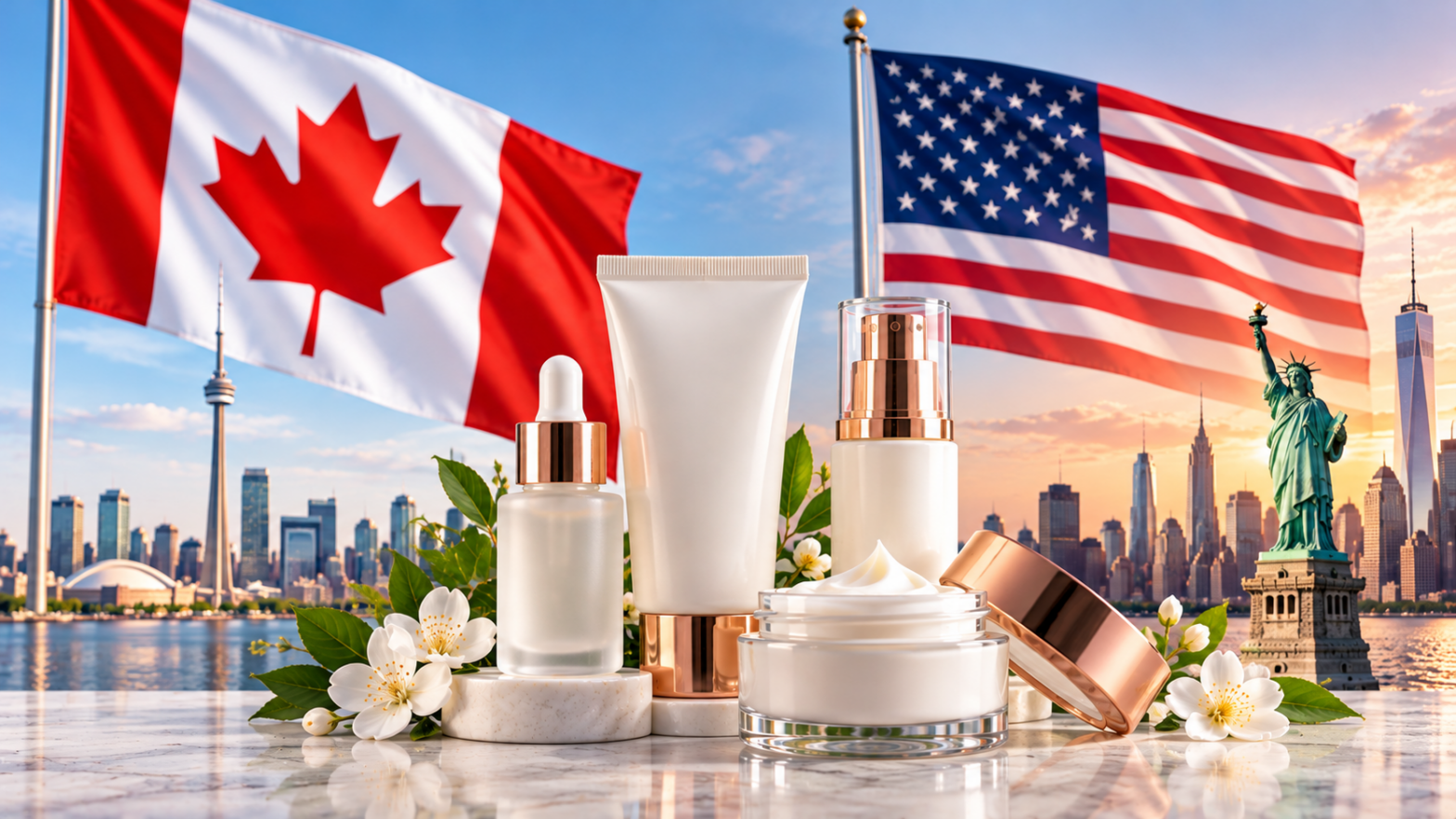
Although Canada and the United States share several cosmetic regulatory principles, their labelling requirements differ in important ways. International cosmetic brands should review each market separately before finalising packaging artwork. 1. Language Requirements In Canada, applicable cosmetic labelling information generally needs to be provided in English and French, subject to specific exceptions. In the United… Continue reading Canada vs. USA Cosmetic Labelling Requirements: Key Differences Brands Must Know in 2026
Tag: FDA MoCRA
Cosmetic Claims That Can Trigger FDA Drug Classification: A Compliance Guide for Cosmetic Brands

Many cosmetic brands unintentionally create regulatory risk by using marketing claims that may cause the U.S. Food and Drug Administration (FDA) to classify their products as drugs rather than cosmetics. While product formulations are important, FDA often evaluates intended use based on labeling, website content, advertisements, social media posts, testimonials, and other marketing materials. A… Continue reading Cosmetic Claims That Can Trigger FDA Drug Classification: A Compliance Guide for Cosmetic Brands
MoCRA Serious Adverse Event Reporting: A Complete Compliance Guide for Cosmetic Brands Selling in the United States

A single customer complaint can become a regulatory issue much faster than many cosmetic brands realize. Under the Modernization of Cosmetics Regulation Act (MoCRA), companies marketing cosmetic products in the United States must carefully evaluate complaints and determine whether they qualify as serious adverse events requiring FDA reporting. For cosmetic manufacturers, private label brands, importers,… Continue reading MoCRA Serious Adverse Event Reporting: A Complete Compliance Guide for Cosmetic Brands Selling in the United States
FDA vs Health Canada Cosmetic Regulations: A Technical Comparison of Compliance Requirements for Cosmetic Products
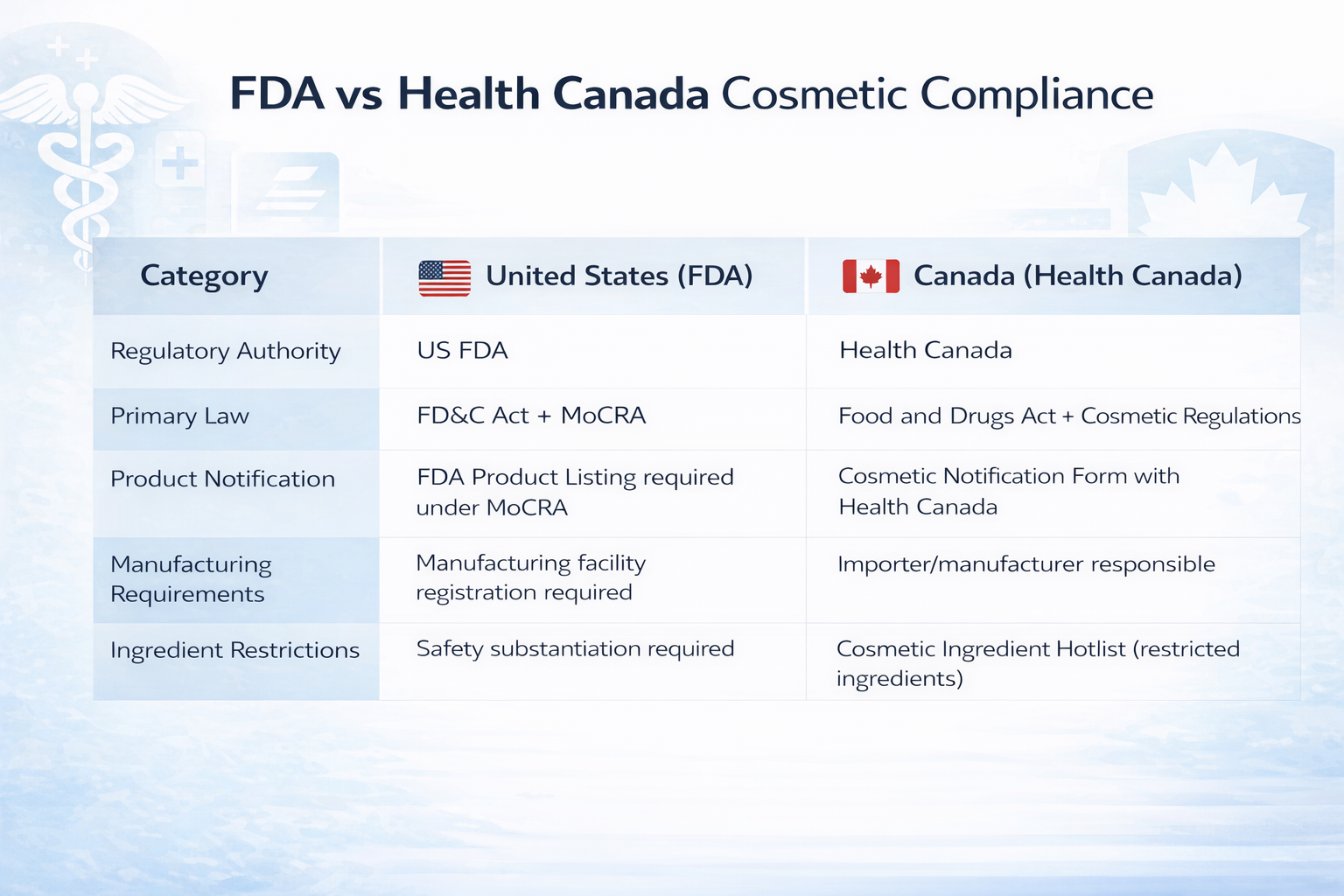
Companies planning to commercialize cosmetic products in North America frequently target both the United States and Canada due to their large consumer markets and strong distribution networks. Although these markets are geographically close, cosmetic regulatory frameworks in the United States and Canada differ significantly in terms of ingredient restrictions, labeling requirements, facility obligations, and regulatory… Continue reading FDA vs Health Canada Cosmetic Regulations: A Technical Comparison of Compliance Requirements for Cosmetic Products
7 FDA Compliance Mistakes That Get Supplement & Cosmetic Brands Pulled From Amazon USA (And How to Avoid Them)
Introduction Selling supplements or cosmetics on Amazon USA is one of the fastest ways to scale your brand. But it’s also where companies face the highest risk of product removals, listing suspensions, and compliance warnings. Amazon’s internal compliance team is tightly aligned with FDA requirements, and even the smallest issues—such as mislabeling, unsupported claims, or… Continue reading 7 FDA Compliance Mistakes That Get Supplement & Cosmetic Brands Pulled From Amazon USA (And How to Avoid Them)
How K-Beauty Brands Can Comply with U.S. FDA MoCRA and Health Canada Regulations in 2025
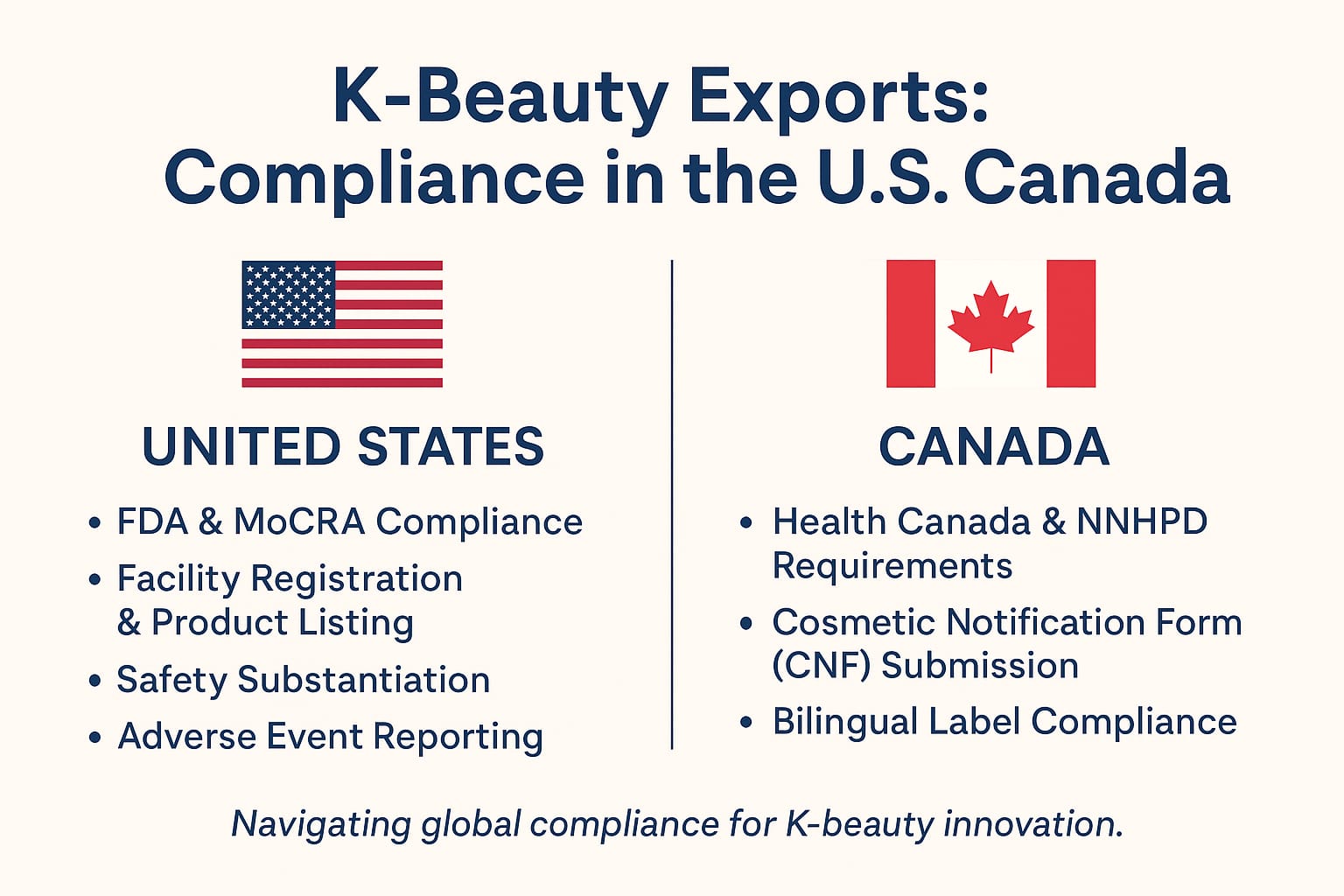
Introduction The global fascination with South Korea’s K-Beauty industry continues to grow — celebrated for its innovation, clean formulations, and trend-setting products. But exporting to Canada and the United States means navigating two of the world’s most rigorous cosmetic regulatory frameworks. In 2025, new rules under the U.S. FDA’s Modernization of Cosmetics Regulation Act (MoCRA)… Continue reading How K-Beauty Brands Can Comply with U.S. FDA MoCRA and Health Canada Regulations in 2025