


Cosmetic Claims That Can Trigger FDA Drug Classification: A Compliance Guide for Cosmetic Brands

Many cosmetic brands unintentionally create regulatory risk by using marketing claims that may cause the U.S. Food and Drug Administration (FDA) to classify their products as drugs rather than cosmetics.
While product formulations are important, FDA often evaluates intended use based on labeling, website content, advertisements, social media posts, testimonials, and other marketing materials. A seemingly harmless claim can trigger additional regulatory requirements and potentially expose companies to warning letters, import detentions, or enforcement action.
Understanding high-risk cosmetic claims is therefore essential for cosmetic manufacturers, private label brands, importers, distributors, and international companies selling products in the United States.
Why Cosmetic Claims Matter Under FDA Regulations
Under U.S. law, cosmetics are intended to cleanse, beautify, promote attractiveness, or alter appearance.
Products that claim to diagnose, cure, mitigate, treat, or prevent disease—or affect the structure or function of the body—may be regulated as drugs.
This distinction is critical because drugs are subject to significantly different regulatory requirements, including approval pathways, monograph compliance, safety requirements, and manufacturing expectations.
Acne Treatment Claims
Acne-related claims are among the most common triggers for FDA scrutiny.
Examples include:
• Treats acne naturally
• Eliminates pimples
• Prevents acne outbreaks
• Clears acne permanently
These statements imply treatment of a medical condition and may cause the product to be regulated as an over-the-counter drug rather than a cosmetic.
Anti-Inflammatory Claims
Claims suggesting that a product reduces inflammation or treats irritated skin can create regulatory concerns.
Examples include:
• Reduces inflammation
• Heals inflamed skin
• Treats skin irritation
• Calms inflammatory skin conditions
FDA may interpret these statements as therapeutic claims, particularly when linked to symptoms or medical conditions.
Collagen Stimulation Claims
Many anti-aging products use language related to collagen production.
Examples include:
• Stimulates collagen production
• Boosts collagen synthesis
• Repairs skin structure
• Rebuilds damaged skin tissue
Such claims may imply alteration of the body’s structure or function, increasing the risk of drug classification.
Eczema, Psoriasis, Rosacea, and Disease Claims
Disease-related claims represent some of the highest-risk regulatory triggers.
Examples include:
• Heals eczema
• Treats psoriasis
• Reduces rosacea symptoms
• Eliminates dermatitis
References to disease conditions generally fall outside the cosmetic category and may result in FDA classifying the product as a drug.
Hair Growth and Hair Loss Claims
FDA closely monitors products marketed for hair restoration or treatment of hair loss.
Examples include:
• Stops hair loss
• Promotes hair regrowth
• Treats baldness
• Reverses thinning hair
These claims often imply therapeutic activity and may trigger additional FDA requirements.
Antibacterial and Antimicrobial Claims
Antimicrobial language frequently attracts regulatory scrutiny.
Examples include:
• Kills bacteria instantly
• Antibacterial skincare formula
• Eliminates harmful microbes
• Prevents bacterial infections
Depending on the intended use and product type, these claims may trigger FDA or EPA regulatory requirements.
Pain Relief Claims
Pain-related claims generally fall outside cosmetic regulations entirely.
Examples include:
• Relieves muscle pain
• Joint pain relief cream
• Soothes chronic discomfort
• Reduces pain naturally
Such claims typically position the product as a therapeutic product rather than a cosmetic.
Detoxification Claims
Detox marketing language can also create compliance concerns.
Examples include:
• Removes toxins from the skin
• Cellular detoxification formula
• Eliminates harmful toxins
• Internal cleansing benefits
These statements may imply physiological effects beyond cosmetic purposes.
Skin Whitening and Bleaching Claims
FDA closely monitors products marketed for skin whitening or bleaching, particularly when permanent skin alteration is implied.
Examples include:
• Permanently whitens skin
• Skin bleaching treatment
• Removes pigmentation disorders
• Medical-grade whitening formula
These claims often attract regulatory attention and import scrutiny.
Examples of High-Risk Cosmetic Claims
The following examples frequently create compliance concerns:
• Treats acne naturally
• Stimulates collagen synthesis
• Heals eczema
• Stops hair loss
• Kills bacteria instantly
• Pain relief cream
Whether a claim creates regulatory risk depends on product composition, intended use, scientific substantiation, marketing context, and overall presentation.
How Cosmetic Brands Can Reduce Regulatory Risk
Companies should implement a structured claim review process before product commercialization.
Best practices include:
• Reviewing product claims before launch
• Evaluating website and social media content
• Assessing influencer and testimonial language
• Conducting labeling compliance reviews
• Obtaining regulatory review of marketing materials
Early claim assessment can significantly reduce the risk of FDA enforcement action.
How Fiducia Globus Supports FDA Cosmetic Compliance
Fiducia Globus helps cosmetic and skincare brands navigate U.S. regulatory requirements through:
• FDA claim review and risk assessment
• MoCRA compliance support
• Cosmetic labeling compliance review
• Product listing and facility registration support
• U.S. Responsible Person services
• Regulatory strategy for U.S. market entry
Our team helps brands develop compliant marketing strategies while minimizing regulatory risk.
Conclusion
Many FDA compliance issues originate not from product formulation but from marketing claims.
Understanding which cosmetic claims may trigger drug classification is essential for brands seeking to maintain compliance and protect market access in the United States.
Companies that proactively review claims, labeling, and promotional materials are better positioned to avoid regulatory challenges and build sustainable cosmetic brands.
Categories
Related Posts
-
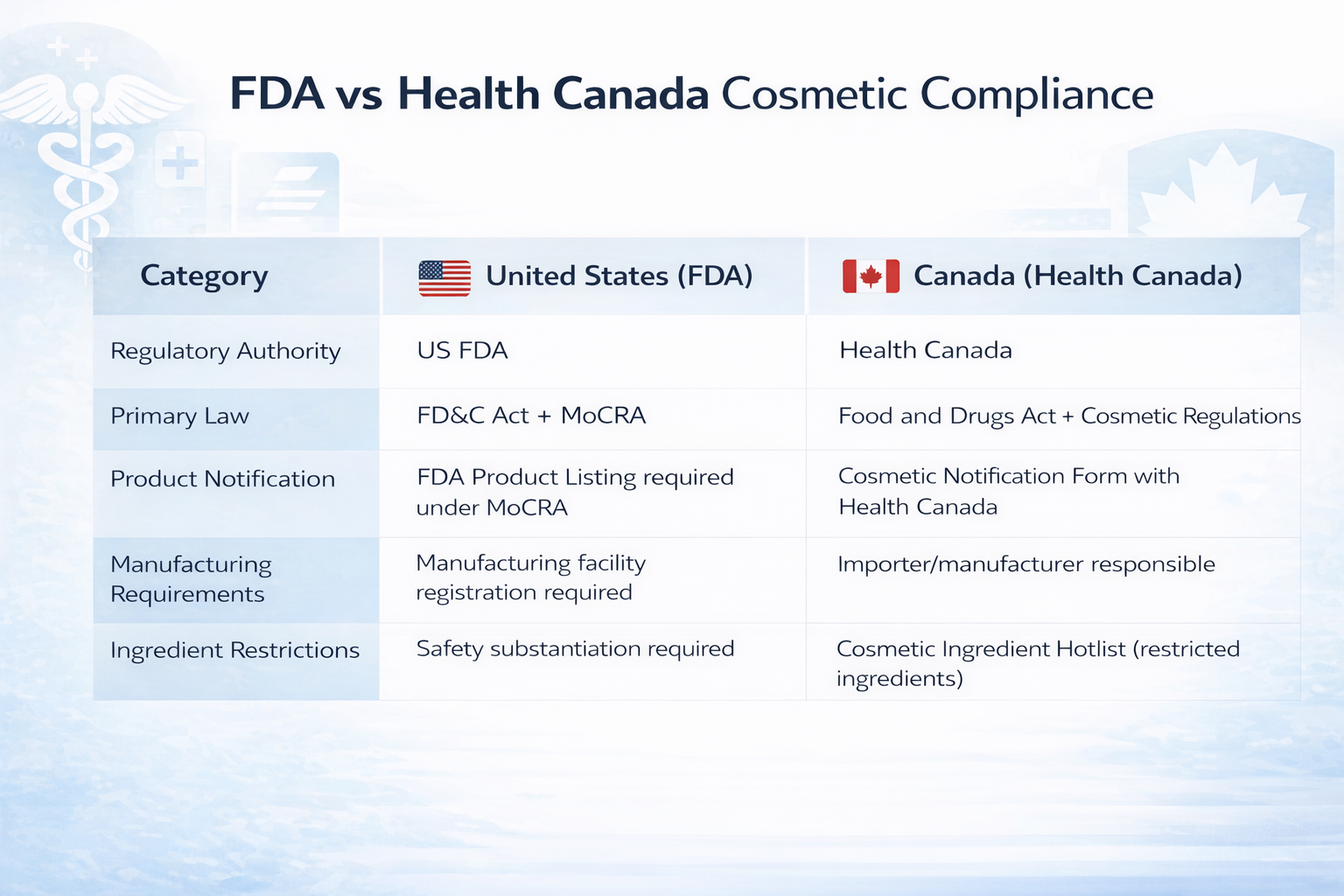
FDA vs Health Canada Cosmetic Regulations: A Technical Comparison of Compliance Requirements for Cosmetic Products
-
Role of a US FDA Agent in Food Facility Registration: How Fiducia Globus Supports Food Importers into the USA

-
MoCRA Serious Adverse Event Reporting: A Complete Compliance Guide for Cosmetic Brands Selling in the United States

-
FDA One-Day Inspectional Assessments: What FDA-Regulated Companies Need to Know in 2026
