

Health Canada Proposes Extension to Natural Health Product Labelling Compliance Timelines: What NHP Companies Need to Know
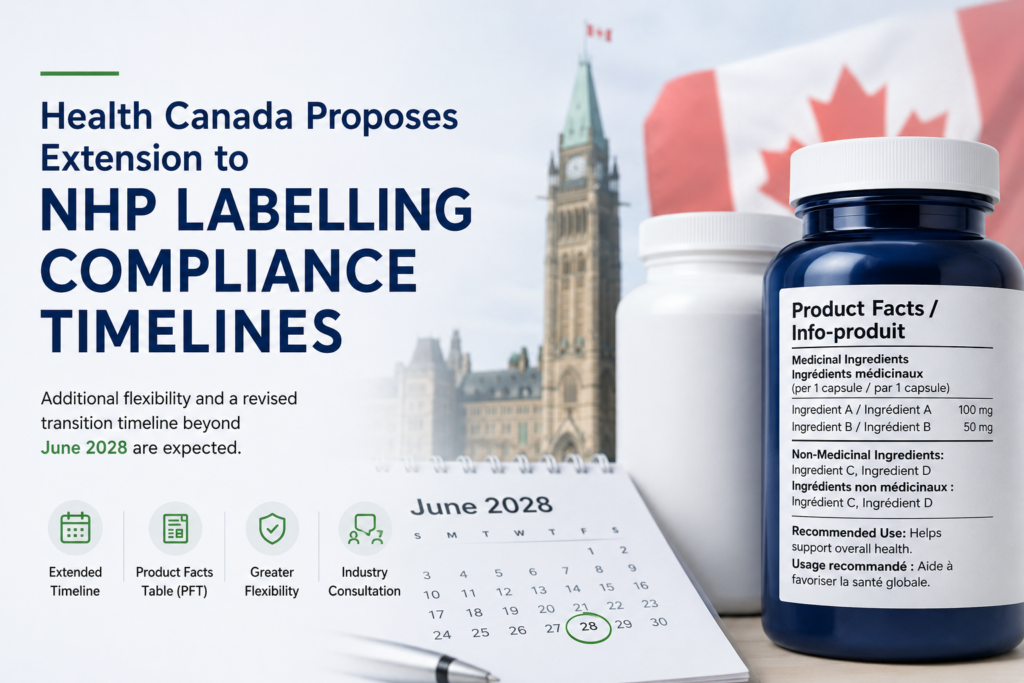
Health Canada has announced that additional regulatory amendments are being considered for Natural Health Product (NHP) labelling requirements, including a proposed extension of current compliance timelines beyond June 2028. This development is particularly important for Natural Health Product manufacturers, importers, distributors, and brand owners currently preparing for compliance with Canada’s revised NHP labelling framework.
The proposed extension follows ongoing industry feedback regarding operational and technical challenges associated with implementation of the amended Natural Health Products Regulations (NHPR). According to Health Canada, draft amendments are expected to be pre-published in the Canada Gazette, Part I in Spring 2027.
Background: Canada’s NHP Labelling Amendments
Health Canada originally introduced significant amendments to the Natural Health Products Regulations in 2022 as part of its broader Plain Language Labelling initiative. The objective of these amendments was to improve label readability, enhance consumer understanding, and increase access to important safety information for Canadian consumers purchasing Natural Health Products.
The revised framework introduced several important compliance obligations for NHP companies, including mandatory Product Facts Tables (PFTs), standardized formatting and readability requirements, enhanced allergen and ingredient disclosure obligations, updated cautionary and risk statements, minimum font size and contrast expectations, and modernized contact information requirements.
Current NHP Compliance Timeline
Under the original transition framework, Natural Health Products licensed before June 21, 2025 were provided a transition period until June 21, 2028 to comply with the amended requirements. Products licensed after June 21, 2025 were initially expected to comply immediately. However, Health Canada later introduced a Ministerial Exemption Order that aligned newer products with the same June 2028 transition deadline applicable to existing products.
Why Health Canada Is Proposing Additional Flexibility
Industry stakeholders have continued raising concerns regarding implementation feasibility, particularly for products with limited packaging space and complex bilingual formatting requirements.
Common implementation challenges identified by industry include:
• Small package dimensions
• Extensive mandatory statements and disclosures
• Bilingual Product Facts Table formatting
• Packaging redesign costs
• SKU management complexities
• Supply chain transition burdens
• Inventory management challenges during implementation
In response to these concerns, Health Canada has acknowledged that consultations with stakeholders have been ongoing since 2024.
What Health Canada Has Announced
According to Health Canada, the proposed regulatory amendments are expected to include:
• Additional implementation flexibility
• Simplified compliance approaches
• Revised transition timelines extending beyond June 2028
Although Health Canada has not yet confirmed a final revised compliance deadline, the announcement signals regulatory recognition of the practical implementation difficulties currently faced by the Natural Health Product industry.
What NHP Companies Should Do Now
Despite the possibility of an extended transition timeline, companies should not pause compliance planning efforts.
Businesses operating within the Canadian Natural Health Product market should continue evaluating Product Facts Table readiness, bilingual label formatting requirements, packaging and artwork implications, ingredient disclosure obligations, and overall regulatory compliance gaps.
Product Facts Table Readiness
Companies should assess whether existing labels can accommodate mandatory Product Facts Table requirements while maintaining readability and bilingual compliance.
Packaging and Artwork Impact
Packaging redesign requirements may significantly affect:
• Carton dimensions
• Packaging layouts
• Multi-panel artwork configurations
• Print specifications
• Translation requirements
Regulatory Gap Assessments
A structured regulatory review can help identify:
• Missing mandatory statements
• Formatting deficiencies
• Ingredient disclosure gaps
• Readability concerns
• Non-compliant claims or presentation elements
Supply Chain and Inventory Planning
Organizations should also evaluate transition timelines associated with:
• Existing packaging inventory
• Printing lead times
• Supplier coordination
• Product launch schedules
• Multi-market harmonization strategies
Regulatory Outlook for the Canadian NHP Industry
Health Canada’s latest announcement suggests movement toward a more flexible and operationally practical implementation model while maintaining the broader regulatory objective of improving consumer-facing safety information for Natural Health Products.
Although additional flexibility may reduce immediate pressure on industry, the long-term direction toward enhanced NHP labelling compliance remains unchanged. Companies that begin preparation early will generally be in a stronger position to manage future implementation timelines efficiently and reduce the risk of costly packaging revisions later.
How Fiducia Globus Supports NHP Companies
At Fiducia Globus, we support Natural Health Product companies with Canadian regulatory compliance services including:
• NHP label reviews
• Product Facts Table development
• Bilingual labelling assessments
• Packaging and artwork compliance reviews
• Regulatory gap analyses
• NHP licence application support
• Post-market compliance assistance
• Regulatory strategy for Canadian market entry
Our team helps companies develop practical compliance strategies aligned with evolving Health Canada requirements and industry expectations.
Conclusion
Health Canada’s proposed extension to NHP labelling compliance timelines provides additional flexibility for industry, but it does not eliminate the need for proactive compliance planning.
Companies that begin preparing early for Product Facts Table implementation, bilingual labelling requirements, and packaging compliance obligations will be better positioned to adapt efficiently as the regulatory framework continues to evolve.
Categories
Related Posts
-
Health Canada LiquidFiles Transition 2026: Complete Compliance Guide for NHP Site Licence Submissions
-
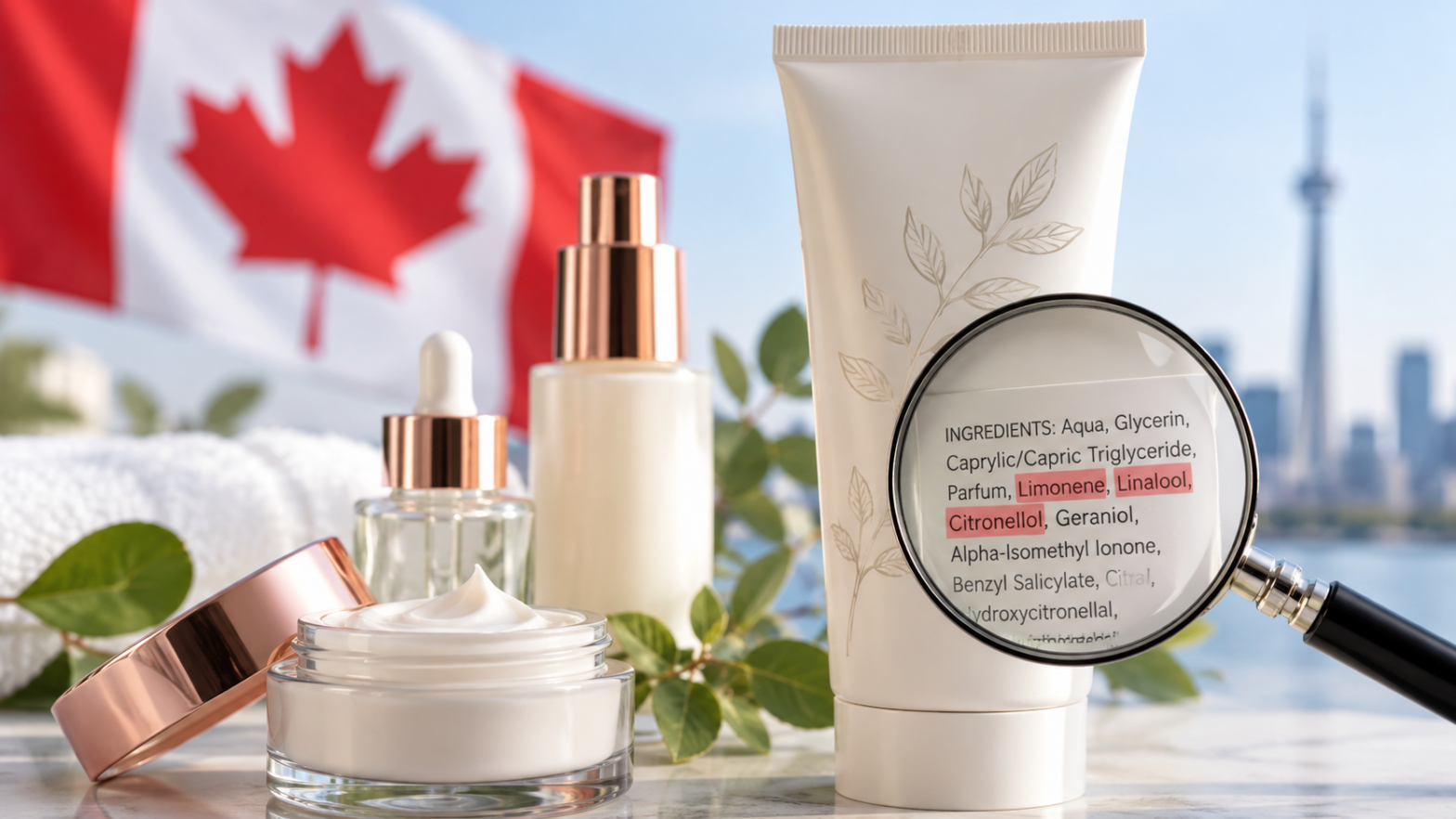
Canada Cosmetic Labelling Requirements 2026: Fragrance Allergen Disclosure Guide for Cosmetic Brands
-
Health Canada’s Red Tape Reduction Initiative: What the Latest NHP Regulatory Changes Mean for Manufacturers

-
Health Canada NHP Labelling: 2026 Interchangeable Terms Explained

-
NNHPD Regulatory Tools Update: How New Guidance Improves NHP and Non-Prescription Drug Submissions